Home Music Room Ideas to Inspire Your Space
If your living room is drowning in stray drumsticks and little hands keep moving the tambourine, you know exactly what I mean when I say: finding space for music at home is a daily challenge! As a mom of three boys, I’m always looking for home music room ideas that don’t require a total house makeover or a giant budget.
I love the way music brings everyone together, even if it means hearing “Twinkle Twinkle” for the fiftieth time that day. In this post, I’ll share real solutions that work for busy moms, make the most of what you already have, and turn family jam sessions into the best part of our week!

Choosing the Right Space for Your Home Music Room
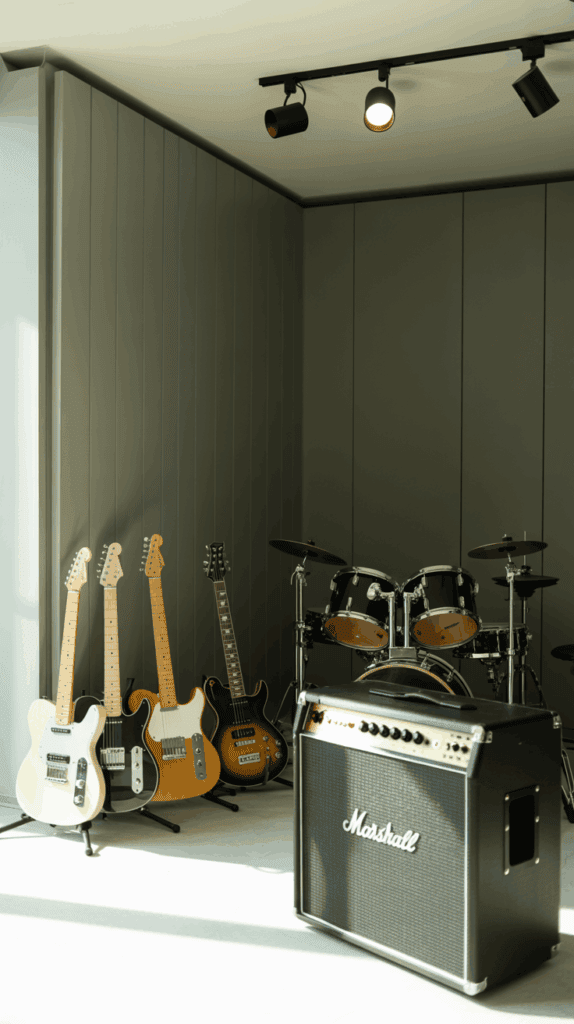
Finding the perfect spot for a music nook can feel impossible when toys and backpacks already fill every corner. I’ve learned that you don’t need a fancy studio or a whole extra room to squeeze more music into family life. These simple home music room ideas prove you can turn almost any spot into a fun, welcoming place for noisy creativity! Whether you’re tight on square footage or blending music with daily routines, a little imagination goes a long way.
Maximizing Small Spaces
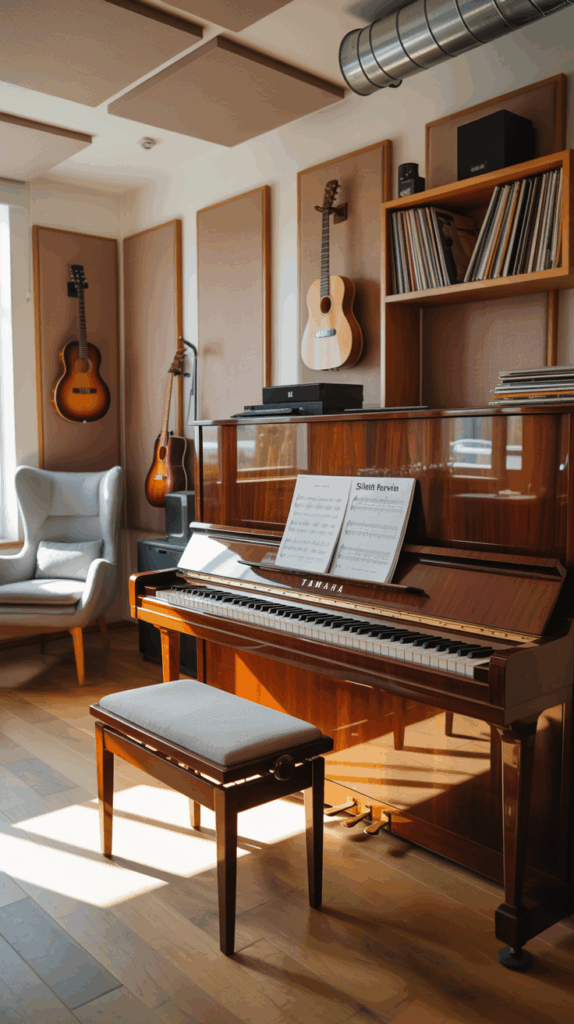
Music can live in the tiniest places, and honestly, sometimes it’s more fun that way! If your house feels packed, here are some ways I’ve made music fit without letting things get cluttered or chaotic:
- Corners Come Alive
Those awkward corners by the sofa or just inside the hallway don’t have to collect dust. I put a small shelf there with a Ukulele, some shakers, and a few songbooks. A floor cushion or a little bench brings instant character! Corners become instant “mini-studios” where my kids can plop down, strum, and sing. - Closets Do Double Duty
If shoes and jackets don’t take up every inch of closet space, use the lower shelf for baskets of tambourines, harmonicas, and headphones. I even put battery-powered tap lights on the ceiling so there’s a bit of drama when it’s time for family band practice! Close the doors when company comes, and it looks perfectly tidy. - Under-the-Stairs Magic
That empty spot under the stairs? Add a soft rug, a bin for noise-makers, and maybe a poster or two. My boys call it their “secret studio.” Small stools stack out of the way so nobody trips, and cheerful string lights make it feel exciting. These small spaces actually cut down on mess because everything has a “home.”
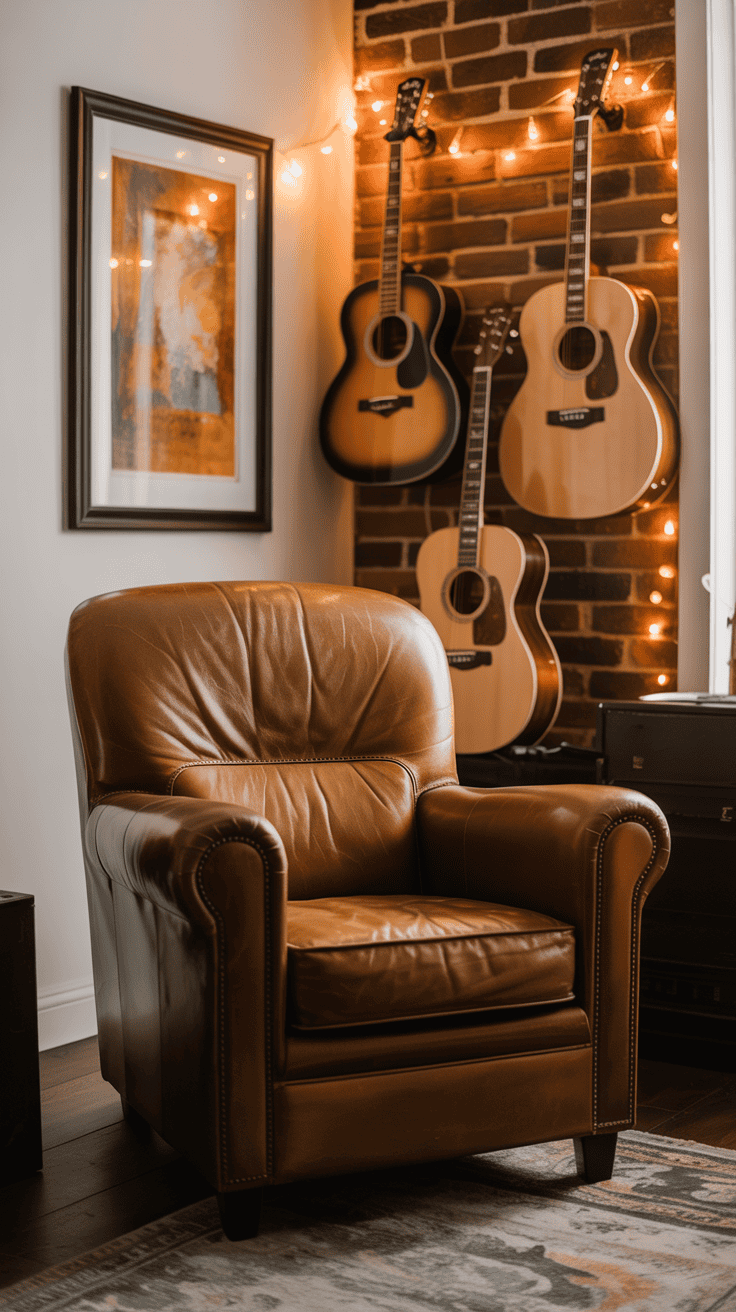
When every square foot matters, keep instruments within reach but contained. Hooks on the wall hold ukuleles or small guitars up high, which is perfect for avoiding toddler disasters!
Creating Multi-Functional Zones
In busy family homes, music can’t always have its own room, but it can blend right into where life is already happening. I love double-duty spaces that work all day, not just during music time. Here are some of the ways we make music fit around everything else with a smile:
- Playroom Music Corners
Add a basket of percussion instruments to the playroom, or slide a keyboard next to the art table. I hung up a simple dry-erase board, so the boys can write silly song names or keep score for “drum-off” contests. It’s easy to move things out of the way for building blocks, and the music gear pulls everyone back together when the energy gets wild. - Homework Meets Hymns
In our family “command center” (the table where everything seems to happen!), a rolling cart holds crayons and a Bluetooth speaker. When homework gets done, the boys pick a song and take turns accompanying with kazoos, bells, or whatever instrument is handy. It keeps things playful and helps ease after-school stress. - Shared Family Spaces
Guitars on the wall hooks above the couch, a basket of egg shakers by the reading chair, and a keyboard that tucks under the coffee table when not in use—these touches let music appear and disappear in seconds. It doesn’t have to be perfect or pretty to be fun! The living room turns into a jam zone for 15 minutes after dinner, then back to being just the living room when it’s time for quiet.
Simple changes like these help keep music at the heart of our days, right alongside puzzles, snacks, and family movie nights. All it takes is a little organizing and a lot of excitement. If you’ve ever wondered where to fit music in, I promise, even the busiest homes have room to let your family’s creativity shine!
Essential Elements for a Family-Friendly Music Room
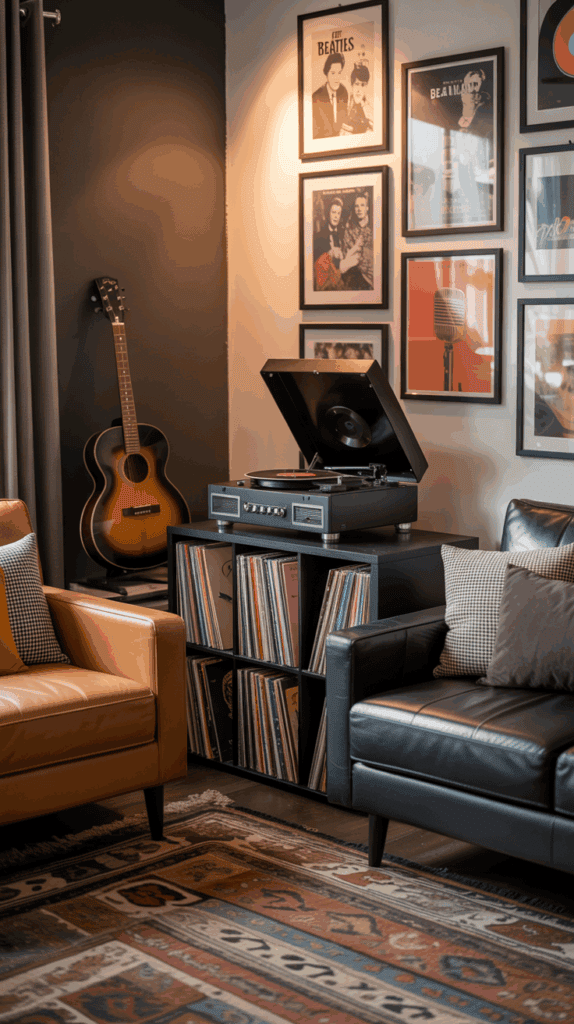
Creating a home music room for kids (and let’s face it, for us parents too) is such a fun project! When thinking about home music room ideas, I want everything to feel playful but also easy to manage. Little hands need to reach things safely. Bigger kids need space to grow. And let’s not forget keeping the peace when the drumbeats start at 7 a.m.! Over the years, I’ve learned the best family music rooms combine smart storage, comfort, and just enough organization to keep things fun—not frantic. Here’s what works for my family.
Instrument Organization that Grows with Your Kids
Instruments are like toys—they multiply overnight! If I’m not careful, we’re tripping over maracas or wondering where all the picks went. The secret is choosing storage ideas that work now but also adjust as the kids get older. Here are my favorite ways to keep everything neat without taking the joy out of music time:
- Wall Hooks for Guitars and Ukuleles
These are perfect for getting instruments off the floor and away from younger siblings. I hang them just low enough so my older boys can grab them without help, but not so low that my toddler turns every guitar into a racecar ramp. - Accessible Bins for Small Instruments
Sturdy plastic bins or baskets on a low shelf make it easy for kids to pick out tambourines, egg shakers, or harmonicas. I use clear bins with labels (yes, even for non-readers—a picture sticker does the trick!) so everyone knows where things go at cleanup time. - Adjustable Shelves for Growth
Shelving that changes height is a lifesaver. One year, the top shelf holds fragile things like a keyboard or metronome. Later, I move shelves down when the boys get taller or start playing bigger instruments. Adjustable shelves mean my setup isn’t outgrown in six months. - Pegboards for Accessories
I hang a pegboard on one wall and use hooks, cups, and little buckets to sort music stand clips, guitar picks, headphones, and capos. It’s like a mini tool bench for the band! - Rolling Carts for Flexibility
If you don’t want to commit to screws in the wall (renters, I see you), a rolling cart can hold everything from sheet music to drums. Just roll it out for music time and stash it away when you want space back.
Keeping things within reach but not within mess-making distance has made a huge difference for us. The best part? When kids see how easy it is to put things away, they actually do it (sometimes)!
Soundproofing, Safety, and Comfort Tips
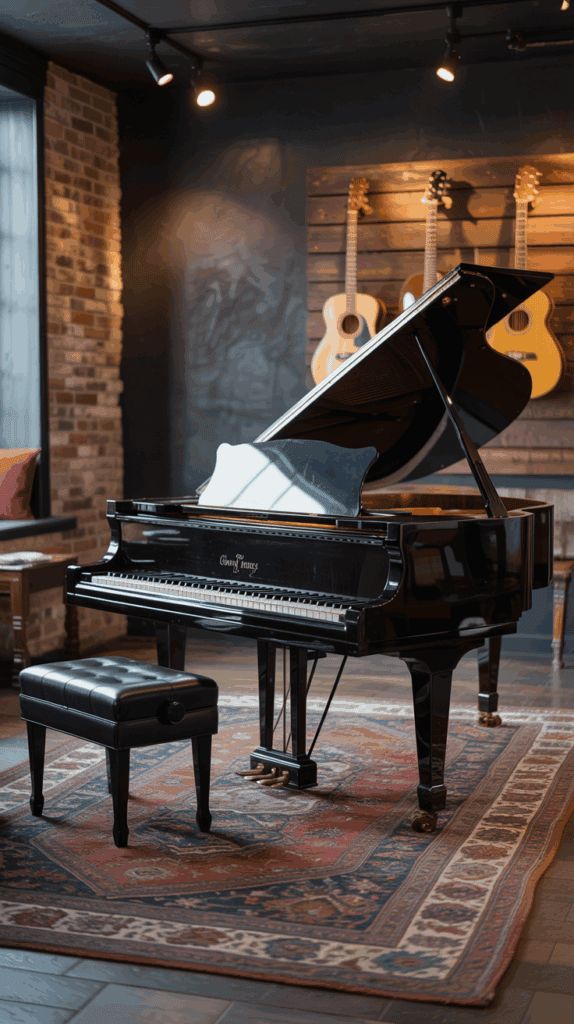
Family music rooms get loud—and wild! With three boys drumming, shaking, and singing, something is always bouncing or rolling across the floor. A family-friendly space means not just easy storage, but also smart solutions for noise and safety. Here are my go-to tricks for keeping the whole house happy:
- Rugs and Floor Cushions
Thick rugs help with noise and soften hard floors. My kids love flopping onto big floor cushions during jam sessions. Cushions double as stage seats or even drum “thrones” for wiggly kids. Plus, they just make the space cozier. - DIY Sound Panels
Foam panels can be pricey, but I get creative with what I have. Thick curtains on the walls, extra pillows on shelves, or a folded quilt hung up really help absorb sound. If you want a weekend project, make simple sound panels with fabric and $5 worth of insulation board—Pinterest has a million ideas for this. - Furniture Placement for Noise Control
Bookcases filled with board games or plush toys add another layer of noise protection. Placing them against shared walls especially helps when the kids are on a drum kick. - Cord Management
Tripping is real! Wrap cords neatly and tuck them behind shelves or use easy cord clips. I use twist ties for a quick fix if nothing else is handy. It saves a lot of stubbed toes (and keeps the baby from pulling speakers onto his head—been there!). - No-Slip Rugs and Mats
I stick non-slip pads under every rug so nobody goes flying, even when the room turns into a dance zone. - Wall Padding for Safety
In high-energy phases, I’ve even covered one lower wall with soft foam play mats. It means if someone tumbles during a “guitar solo,” we get giggles, not tears. - Outlets and Equipment Up High
Outlet covers and keeping things like amps on higher shelves helps keep little hands safe. I’m a big fan of using outlet covers at any height kids can reach.
These comfort and safety tweaks don’t have to cost much, and most use things you might already have. Big floor pillows, extra blankets, and well-placed shelves turn chaos into happy memories. When the music gets wild, you can relax knowing everyone is (mostly) safe and the noise won’t wake the neighbors!
Inspiring Decor and Personal Touches
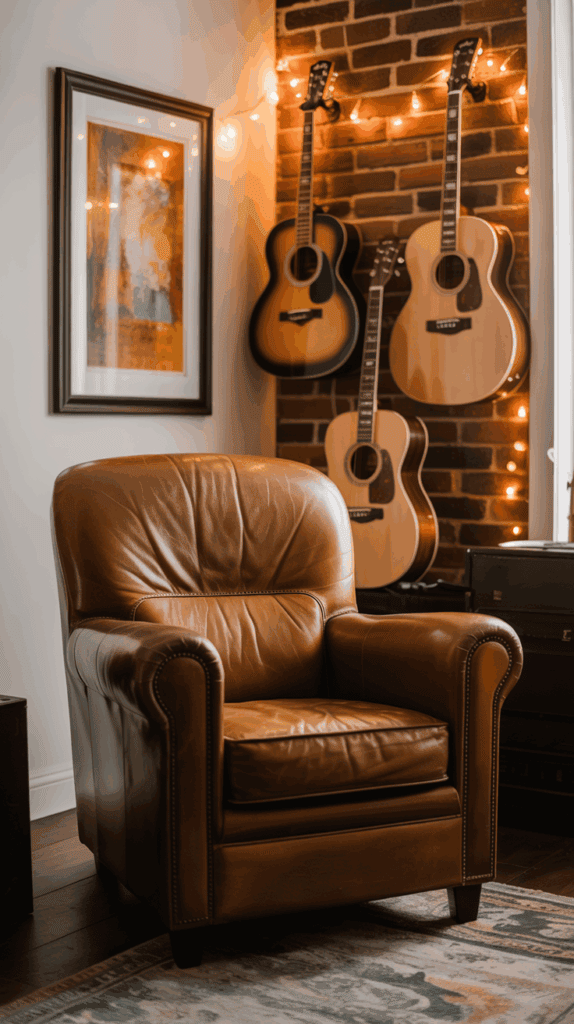
Home music room ideas should feel personal, bright, and made for your family. In my house, okay, nothing sparks a jam session faster than walls covered with color and little reminders that music is part of our everyday fun! I can promise you, the decor isn’t just about looking good for guests. It’s about filling the space with playful touches that inspire your kids to dream even bigger and try one more song before bedtime. Let’s talk about how a mix of simple DIY projects and clever decorating can bring your music space to life, no matter your budget.
DIY Projects and Budget-Friendly Decor
You don’t need a professional designer or expensive products to give your music nook real personality. Some of my favorite home music room ideas started as simple, low-cost projects with my boys. We’ve turned decorating into family time, and the results always make us smile.
Here are a few easy and affordable suggestions you might love:
- Painted Instrument Murals
Grab those leftover paint cans and get messy. My boys and I traced old guitars and tambourines right on the wall before filling each outline with bright colors. Even if your hand isn’t steady, the results are charming (and trust me, nobody expects museum-perfect art when it’s homemade by your kids). - Handmade Record Displays
Turn scratched old records into wall art! We glued favorite photos, bits of fabric, and song lyrics directly onto vinyl albums. Hung in a row, they make a sweet, eye-catching display right above a keyboard or music stand. - Upcycled Decor
Try using what you have. We spray-painted tin cans gold and attached them in a cluster to hold drumsticks, harmonicas, and felt-tip markers. My youngest decorated a shoebox for music flashcards—now he insists on using “his” box before every practice! - DIY Sheet Music Banners
Cut vintage sheet music into triangles, string them up, and create a banner across the window or bookshelf. It’s cheerful, super easy, and gives the whole room a happy, lived-in vibe. - Corkboard “Inspiration Boards”
Pin up silly doodles, favorite song titles, or photos from your kiddos’ music recitals. We swap ours out with new artwork every month. It’s the easiest update and keeps everything feeling fresh.
A little imagination goes a long way. Sometimes I set aside Sunday afternoons just to hang out and decorate together, and we always end up talking or laughing about last week’s music “oops” moments. The process is just as special as the finished space.
Encouraging Musical Exploration Through Decor
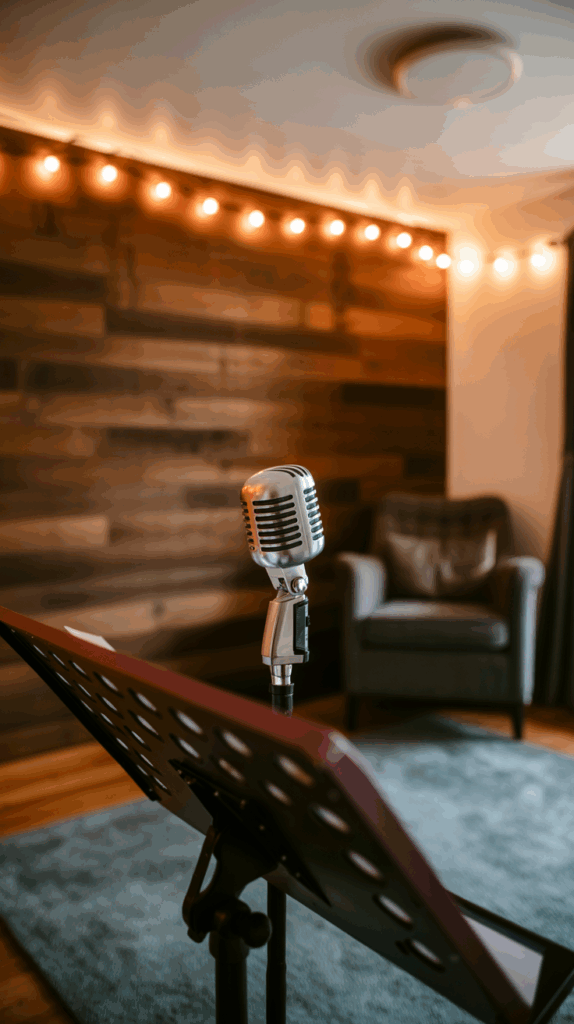
Decor isn’t only for making things look pretty. It can also spark new ideas and help your kids dive right into music. When you fill your space with visual cues and interactive elements, you invite curiosity and creativity, even on the busiest mornings.
Here are a few ways I encourage musical play through our room’s setup:
- Visual Cues Everywhere
I post colorful chord charts, silly cartoon notes, and posters of favorite artists. Sometimes, we stick up sticky notes with “song challenges”—like playing a song backward or inventing music with only two notes. My boys stop and read them every time they sit down. - Interactive Wall Art
Try adding chalkboards or whiteboards where kids can write song titles, keep score for music games, or come up with new band names. Ours is always full of “greatest hits” and doodles (plus a spot for guests to sign during jam nights). - Easy-Grab Sheet Music
I keep sheet music in baskets at kid-level. It’s amazing how much more likely your kids are to try something new when it’s right in their faces! Sometimes, they’ll flip through and pick a random song, just because it’s easy to grab and looks inviting. - Music-Themed Growth Charts
We made ours out of a long strip of piano-key patterned tape on the wall. Every few months, I jot down a musical “first”—like learning a new note or singing in front of family. It’s our own musical milestone chart and always brings big smiles. - Instruments on Display
I hang ukuleles where the boys can reach them (and let’s face it, sometimes they’re used more for air guitar solos than practicing scales). Accessible displays mean every day feels like an invitation to play.
The best home music room ideas are the ones that truly invite kids to experiment, mess up, and try again. Your space doesn’t need to be perfect. It just has to say: “Music happens here, and everyone’s welcome.” Every little detail—whether it’s a silly mural or a handmade banner—gives your family permission to sing, play, and create together. That’s the real magic.
Making Your Music Room a Place for Family Bonding

Home music room ideas are not just about instruments and decor; they can also help turn your music space into a true hub of family connection. After all, music feels its best when it’s shared. With three energetic boys, I know how easy it is to get busy and forget the joy that comes from playing, practicing, and celebrating achievements together. Making the music room a place for bonding turns practice time into moments everyone looks forward to.
Setting Up for Success: Schedules and Routines

Getting everyone on the same page about when and how to use the music room makes a world of difference. Music can easily become a rushed or forgotten task without some thoughtful scheduling. Here’s what works for me and might for you too:
- Pick Consistent Days or Times
Making music practice part of the weekly rhythm helps build a habit. We found that after dinner or right before playtime are good windows when the boys aren’t too tired or distracted. Having set “music moments” means it feels like a family event, not a chore. - Flexible but Firm
I keep the schedule loose enough to adapt for school projects, sports, or naps but firm enough so it doesn’t slide away. Some days are all about solo practice, others turn into family jam sessions. The goal is balance, not pressure. - Rotate Instrument Time
Each child gets a chance with the instruments they love most. This gives everyone their spotlight and avoids the most competitive squabbles (trust me, those fights over the keyboard were intense!). - Combine Practice and Play
I add a little fun by starting or ending practice sessions with a quick group singalong or a silly music game. This keeps things light and reminds everyone that music isn’t just “work” but enjoyment. - Use Visual Reminders
A simple whiteboard or calendar in the music room shows who’s playing when. The kids love checking off their practice days, and it keeps us all accountable without nagging.
Having a family-friendly routine helps music feel like part of daily life, not a separate task. When schedules respect everyone’s needs, music time becomes a shared gift, not a point of stress.
Showcasing Achievements and Progress
Nothing encourages kids more than seeing their hard work on display. I’ve learned to use our music room walls and shelves as a trophy case for success, big or small. It’s a constant reminder that progress matters and every little step is worth celebrating.
Here’s what helps keep that sense of accomplishment alive:
- Frame Certificates and Awards
I pick a few special certificates and frame them in simple, colorful frames. Hanging these in the music room turns it into a wall of honor that kids love showing off to visitors. - Create a Gallery of Recital Photos
Photos from recitals, school concerts, or even candid shots during jam sessions bring back joyful memories. We swap out new pictures regularly so the gallery stays fresh and different accomplishments get their moment. - Host Mini Home Concerts
Setting up a mini “stage” corner in the music room makes it easy for kids to perform for each other and the family. These home concerts are always a big hit and super encouraging. It’s fun for siblings, too, who get to clap and cheer. - Keep a Progress Journal or Scrapbook
I keep a binder with notes, stickers, and occasional sketches that show what each child is working on. It’s a sweet way to look back and see how far they’ve come. - Let Kids Personalize Their Space
I encourage the boys to add drawings, song lyrics, or little crafts that represent their musical journey. It turns the room into a living scrapbook of their creativity.
Celebrating music successes doesn’t have to be flashy or expensive. It’s the simple things, like smiling faces and words of praise, that make kids want to keep learning and sharing music with the family. Turning your home music room into this kind of uplifting space creates lasting memories and stronger bonds.

Conclusion
Transforming any corner of your home into a musical haven is easier than you might think. With a little creativity, patience, and a big dose of love for music, even the busiest homes can have their own special spot for playing, learning, and making memories together.
Remember, home music room ideas don’t have to be perfect or expensive—they just need to fit your family’s rhythm and bring joy to your days. I’d love to hear your own tips and stories about how you’ve created musical spaces at home. Let’s keep the music playing!
This post may contain affiliate links. Read the full disclosure here.